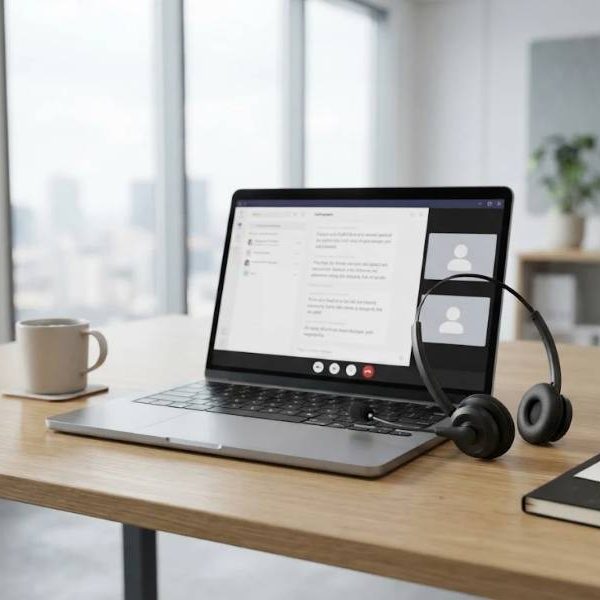
Remote interpreting lets people communicate across languages without having an interpreter in the room. A hospital, a school or a business can connect to a professional by phone or video in minutes. It is fast and flexible, but it works best when you understand how to prepare for it.
What remote interpreting means
The interpreter joins by audio or video from another location. Sessions can be scheduled in advance or requested on demand.
The skill is the same as in person, but the setting depends more on technology and clear communication.
Video and phone options
Video helps with body language and is useful for sign language and sensitive conversations. Phone interpreting is simple, widely available and works with low bandwidth.
Choose based on the situation. A quick appointment reminder needs only audio, while a complex consultation benefits from video.
Where it is most useful
Clinics, social services, emergency lines, schools and customer support centers use remote interpreters daily. Rare languages are easier to reach when location does not matter.
It also saves travel costs and cuts waiting time when a patient or customer needs help quickly.
When in person is better
Long, emotional or highly technical sessions, such as trials or complex negotiations, often work better with an interpreter present. Equipment problems are less of a risk.
Weigh the importance of the event against convenience before deciding.
Prepare your equipment
Use a stable internet connection, a quiet room and a headset with a good microphone. Test the audio before the session starts.
Poor sound is the biggest enemy of accurate interpreting. Spending five minutes on testing prevents long delays.
Brief the interpreter
Explain the purpose of the session and any special terms. Share names and documents beforehand when possible.
A short introduction at the start, with the interpreter introducing themselves to both parties, sets a clear and respectful tone.
Speak clearly and pause
Use short sentences and pause so the interpreter can render each idea. Avoid interrupting or speaking at the same time.
Address the person you are talking to, not the screen. Natural eye contact keeps the conversation human.
Confidentiality is essential
Interpreters follow strict codes of conduct. Providers should use secure platforms and sign confidentiality agreements.
For healthcare settings, organizations such as the National Council on Interpreting in Health Care publish standards and training resources.
Qualifications to look for
Check training, certification and experience in your field. Medical, legal and social settings each require specific vocabulary.
Ask for the provider to confirm that interpreters are assessed regularly and receive continuing education.
Language availability
Common languages are easy to book, but smaller ones may require notice. Communities from Haiti, for example, need interpreters in Haitian Creole in hospitals and schools.
Organizations supporting these communities also use Haitian Creole translation services for forms, consent letters and instructions that families can take home.
Interpreting is not translation
Interpreters work with spoken language and translators with written text. Many projects need both, such as an interpreted meeting followed by a translated record.
For immigration or employment procedures, you may need official documents rendered by a qualified translator, as shown in our guide to police clearance certificate translation.
Plan for time
Interpreted sessions take longer, often by half. Schedule extra minutes so no one feels rushed.
Stress about time harms communication. A realistic calendar helps everyone relax.
Handle emotional conversations with care
Difficult news is hard in any language. Allow pauses and check understanding gently.
Interpreters can express sensitive words faithfully, and the speaker remains responsible for tone and empathy.
Use technology that suits your users
Some patients or clients have limited experience with video tools. Provide simple instructions and a phone backup.
Accessibility means offering more than one way to join.
Document the interpreter used
Record the interpreter name or identification number, the language and the date. This helps with quality review and legal records.
Documentation shows that language access was offered and provided.
Measure satisfaction
Ask clients and staff how clear the session was and what could improve. Feedback guides choices about providers and training.
Look for patterns, such as audio problems at a certain location, and fix them.
Costs and billing
Rates may depend on language, time of day and session type. On demand services often charge per minute, while scheduled sessions may be hourly.
Compare total cost with the value of avoiding misunderstandings. Errors in communication can be far more expensive.
A practical checklist
Test equipment, brief the interpreter, introduce everyone, speak in short segments, confirm understanding and record the session details.
With these habits, remote interpreting becomes a reliable way to include everyone in the conversation.
Train your staff to use the service
Teach staff how to connect, how to start a session and what to say first. A one page guide near the phone or screen avoids confusion in urgent moments.
Practice sessions build confidence, and confident staff provide a calmer experience for clients.
Review quality regularly
Sample a few sessions each quarter and note audio problems, delays or misunderstandings. Share the findings with your provider.
Continuous review keeps standards high and shows that the organization takes language access seriously.