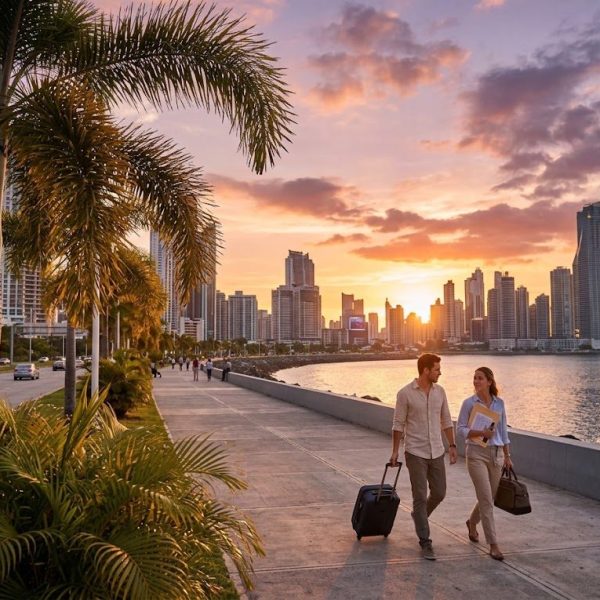
Panama has become one of the most popular destinations in Latin America for retirees, remote workers and entrepreneurs. The country uses the US dollar, offers attractive residency programmes and combines a modern capital with beaches, mountains and a relaxed pace of life. Every year, thousands of North Americans and Europeans make the move.
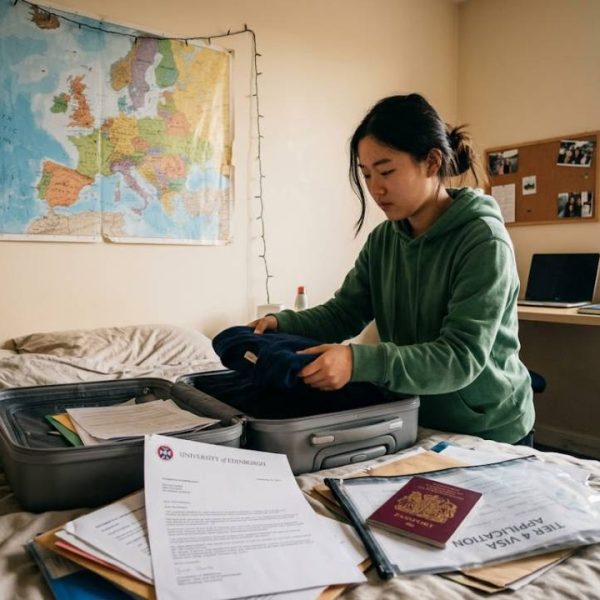
Behind the sunny photos lies a less glamorous step: paperwork. Almost every residency application in Panama depends on foreign documents that must be apostilled and translated into Spanish by an authorised translator.
Popular residency routes
Panama offers several visa categories. The Pensionado programme attracts retirees with a stable pension. The Friendly Nations visa has long been popular with citizens of certain countries who invest or work in Panama. There are also options for investors, professionals and digital nomads with remote income.
Each route has its own requirements, but the core documents are similar: passport, police background check, proof of income or investment, and often birth or marriage certificates for family members. Applications are handled by the National Immigration Service of Panama, usually through a local lawyer.
Why Spanish translation is required
Spanish is the official language of Panama, and government offices work exclusively in it. Any document in English, French or German must be translated before it can be filed. A casual translation by a bilingual friend will not be accepted.
Panama requires translations by a public translator authorised by the government, known locally as a traductor público autorizado. Some applicants have their documents translated abroad first, then have them reviewed or redone in Panama. Checking the exact requirement with your lawyer before you start saves time and money.
The apostille comes first
Panama is a member of the Hague Apostille Convention. Public documents issued in other member countries, such as the United States, Canada, the United Kingdom and most of Europe, must carry an apostille from the issuing country. Without it, immigration authorities will not recognise the document.
In most cases, the correct order is to obtain the apostille, then translate the document together with the apostille certificate. Doing it the other way round often means paying twice. PoliLingua explains this sequence clearly in its guide to sworn and certified document translation.
Police records and their expiry
The criminal background check is often the most time-sensitive document. Many authorities consider it valid for only a few months from the date of issue. Applicants who request it too early may find it expired by the time they submit their file in Panama.
Plan the timeline carefully. Request the police record close to your move, obtain the apostille quickly and arrange the translation immediately. A good certified translator can deliver Spanish versions within a few days, keeping the whole package within its validity window.
Names, dates and consistency
Spanish naming conventions use two surnames, while many English-speaking countries use one. Middle names, maiden names and hyphenated names can create confusion. The translation should follow the spelling in the passport exactly, and any variations between documents should be explained.
Dates must be converted to the day, month, year format used in Panama. Professional titles and academic degrees should be translated with equivalents that Panamanian officials recognise, not literal word-for-word renderings.
Interpreters for appointments
Not every step is on paper. Applicants may need to attend appointments at immigration offices, banks or notaries, where staff often speak only Spanish. A professional interpreter ensures that you understand what you sign and can answer questions accurately.
Interpreters are also valuable when buying property, signing a lease or registering a company. These transactions involve legal language that is difficult even for people with intermediate Spanish.
Life after the visa
Once residency is granted, the need for translation does not disappear. Driving licences may need to be converted, children enrolled in schools, and medical records shared with local doctors. Keeping both original and translated versions of key documents makes everyday life smoother.
Many expats also take Spanish lessons soon after arrival. Even basic conversation skills make a big difference in daily life and help build relationships with neighbours and colleagues.
Banking and opening accounts
Opening a bank account in Panama is famously strict. Banks ask for reference letters from your current bank, proof of address, tax documents and sometimes a professional reference. Letters written in English are frequently accepted, but some institutions request Spanish versions, especially for larger deposits or business accounts.
Entrepreneurs relocating a company face an extra layer of paperwork on top of the personal file. Incorporation documents, shareholder records and bank references all have to tell the same story in Spanish as they do at home. Many founders therefore arrange business translation services for the company side of the move while their lawyer handles residency. Keeping the two files consistent reduces questions from banks and registries alike.
Preparing these letters in both languages from the start avoids repeated visits to the branch. It also helps compliance officers process the file faster, which matters when you need an account to receive a pension or pay rent.
A practical checklist
Gather passports, birth and marriage certificates, police records and proof of income. Obtain apostilles in the issuing countries. Arrange certified Spanish translations. Keep digital and paper copies, and work with a reputable lawyer who knows current immigration rules.
Panama rewards newcomers who prepare well. With documents apostilled, translated and organised, the move becomes far less stressful, leaving more time to enjoy the canal views, the rainforest and the Pacific sunsets.